Guides
Appliance repair equipment brands rated in 2027
'best appliance repair equipment 2027' connects customer access, operating capacity, staffing, and cash. The point is not to copy a national benchmark or another.
What to take away
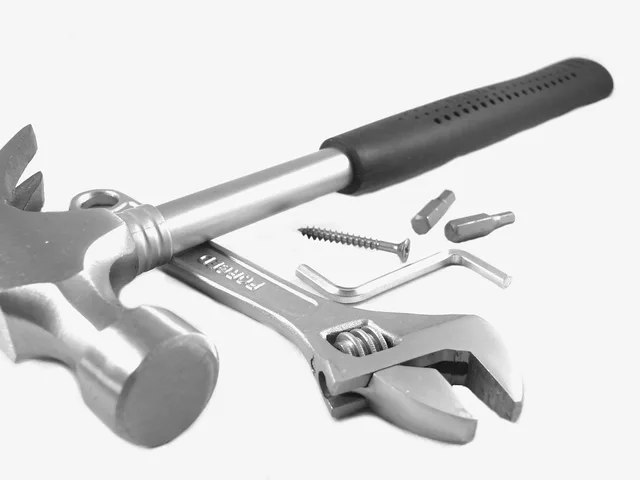
- Fluke owns the electrical meter tier for appliance diagnostics in 2027, and Klein Tools owns the daily hand-tool kit.
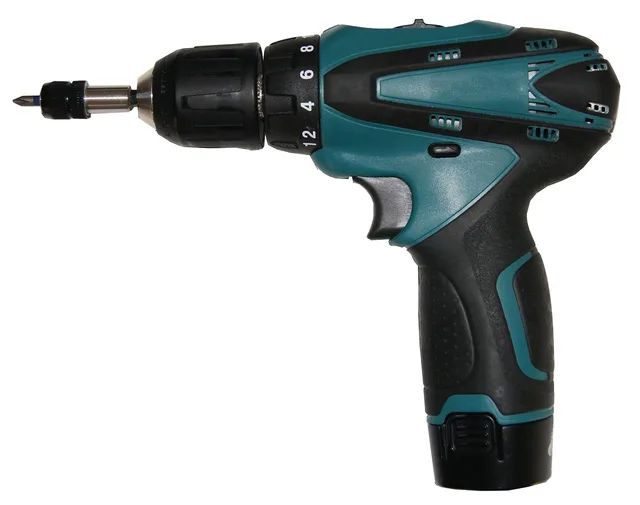
- Milwaukee leads cordless platforms. DeWalt and Makita are viable substitutes if your crew already runs that battery system.
- Fieldpiece, Testo, Yellow Jacket, Robinair and JB Industries earn a place only when the service mix includes sealed refrigeration systems.
- Typical planning ranges, not supplier quotes$2,500 to $4,500 for a starter van, $6,000 to $9,000 mid-tier, and $9,000 to $15,000 for full refrigeration capability.
- EPA Section 608 certification is a precondition for refrigerant work, not a brand decision.
Ranking a brand here means one thing: how often it carries a technician through a normal week without failing, and how cheaply it recovers when it does.
Nothing below replaces the local rule that governs your work. If you are still fitting out a van, the equipment and setup guide covers the physical side of that decision before brands matter.
The criteria behind each rating
Five checks decide the order. Weight matters more than logo recognition.
| Criterion | Why it decides the rating | What to verify first |
|---|---|---|
| Insulation rating | Diagnostics still touch live circuits | Voltage marking on the tool |
| Calibration service | An out-of-calibration meter weakens a dispute | Turnaround days and cost |
| Battery platform | Lock-in sets five years of spending | Count of tools on that battery |
| Parts and warranty route | Downtime costs more than the tool | Local dealer or mail-in only |
| Documentation | Readings must survive a customer challenge | Spec sheet in the box |
Ranked: the appliance repair core tools
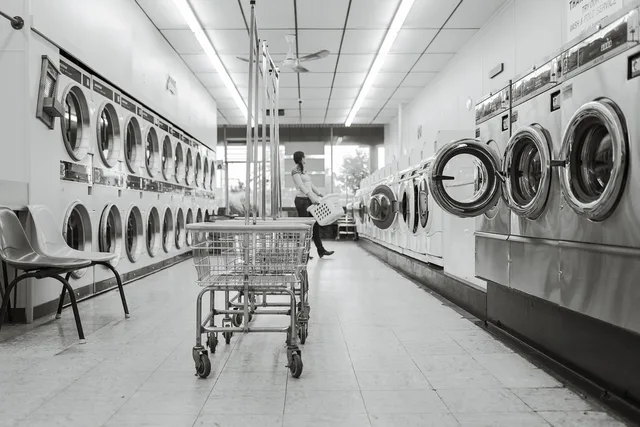
This is the shortlist a one-van or two-van shop should price first. Washers, dryers, ovens and refrigerators set the requirement.
| Rank | Brand | Category | Verdict |
|---|---|---|---|
| 1 | Fluke | Electrical test instruments | Best accuracy and calibration support. Pay the premium if you diagnose control boards. |
| 2 | Klein Tools | Hand tools and testers | Best durability per dollar. Standardize the van on one line. |
| 3 | Milwaukee | Cordless tools, lighting, storage | Best platform breadth. The battery system is the real purchase. |
| 4 | Knipex | Pliers and cutters | Best access inside tight cabinets and behind units. |
| 5 | UEi Test Instruments | Meters, clamp tools, temperature | Best value when the meter budget is capped. |
| 6 | Wera and Wiha | Insulated drivers, precision tools | Best compact kits for fasteners and terminal work. |
| 7 | DeWalt and Makita | Cordless and hand tools | Close substitutes for Milwaukee. Choose on batteries already owned. |
Treat the order as a starting point for quotes. The equipment checklist for new owners converts these verdicts into an item-by-item list for the first van.
Refrigeration and sealed-system tools
Skip this tier unless the service mix includes sealed systems and you hold the certification.
- Fieldpieceinstruments built for refrigeration service at field level.
- Testopressure, temperature and vacuum logging for warranty records.
- Yellow Jackethoses, manifolds, recovery and charging gear.
- Robinairrecovery machines and leak detection; check refrigerant compatibility.
- JB Industriespumps, gauges, manifolds and scales at a lower entry cost.
What a van setup costs in 2027
Typical range
- Starter
- $2,500 to $4,500
- Mid
- $6,000 to $9,000
- Full
- $9,000 to $15,000
What it covers
- Starter
- Meter, hand tools, drivers, cordless kit, storage
- Mid
- Adds sealed-system entry tools, lighting, spare meter
- Full
- Adds recovery, vacuum, gauges, scales, consumables
Who it suits
- Starter
- First van on laundry and kitchen calls
- Mid
- Two-technician shop widening its mix
- Full
- Operation taking sealed-system work
These are planning ranges rather than quotations, and they move with battery promotions and refrigerant prices. Tools bought for the business are deductible, and Publication 535 sets out how business expenses and depreciation on equipment are treated.
A used-tool decision changes the arithmetic more than a brand switch does. The new versus used cost comparison shows where a rebuilt unit still pays for itself.
A ranking tells you who makes a good meter. It does not tell you which tools your first van needs.
Example: two shops, two rankings
Shop A runs one van on laundry and kitchen appliances. Its ranking stops at Fluke, Klein and Milwaukee, with no refrigeration tier. The savings buy a spare meter.
Shop B takes sealed-system work, so its ranking starts with certification, then Fieldpiece or Testo, then Robinair or JB Industries. Fluke and Klein still anchor the core kit.
Rules that change which tools you can use
Refrigerant work is regulated before it is commercial. EPA Section 608 technician certification applies to anyone whose maintenance, service, repair or disposal work could release regulated refrigerant.
Electrical service carries its own duties. OSHA lockout and tagout requirements set the procedure for isolating energy before work begins, and your tools either support that procedure or fight it.
Licensing sits on top of both. The licensing and compliance guide explains how state rules reach the tools and services you sell.